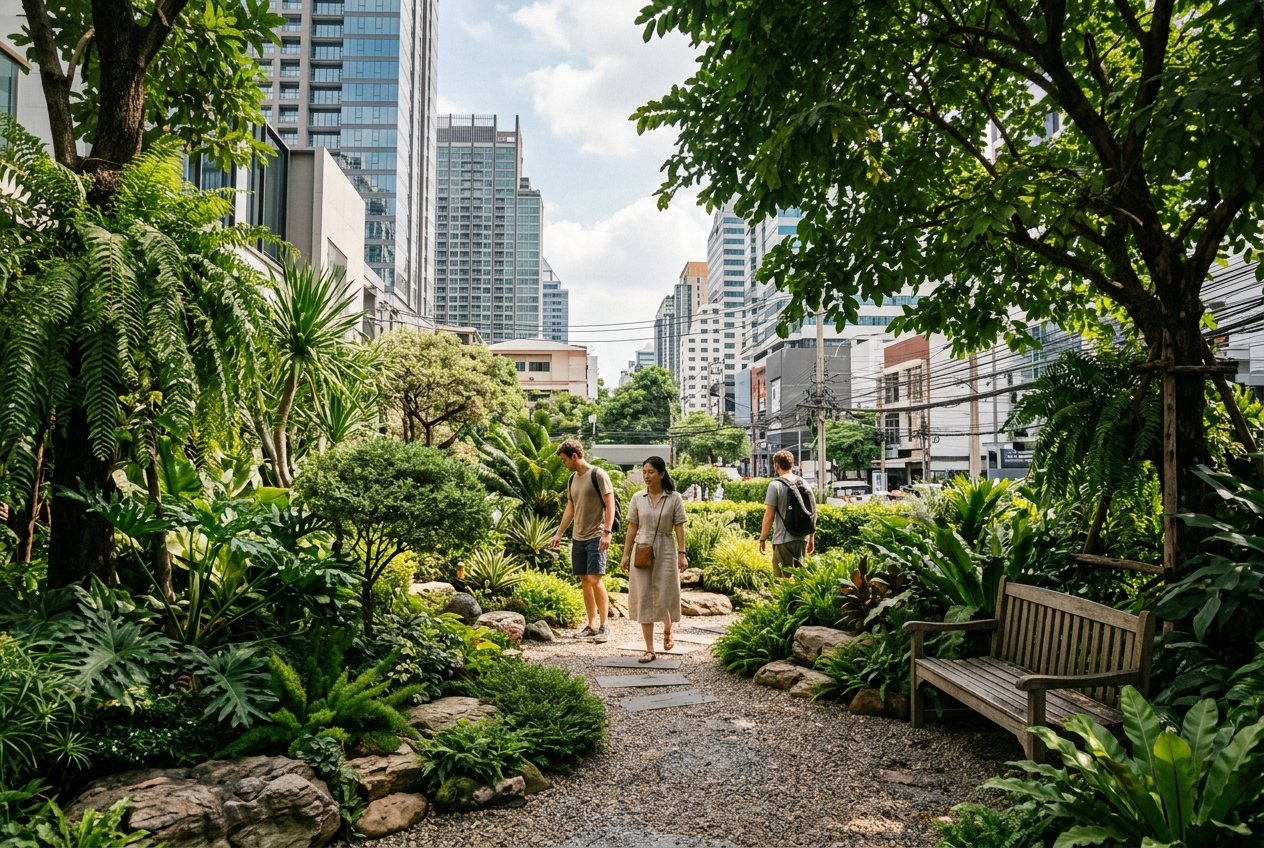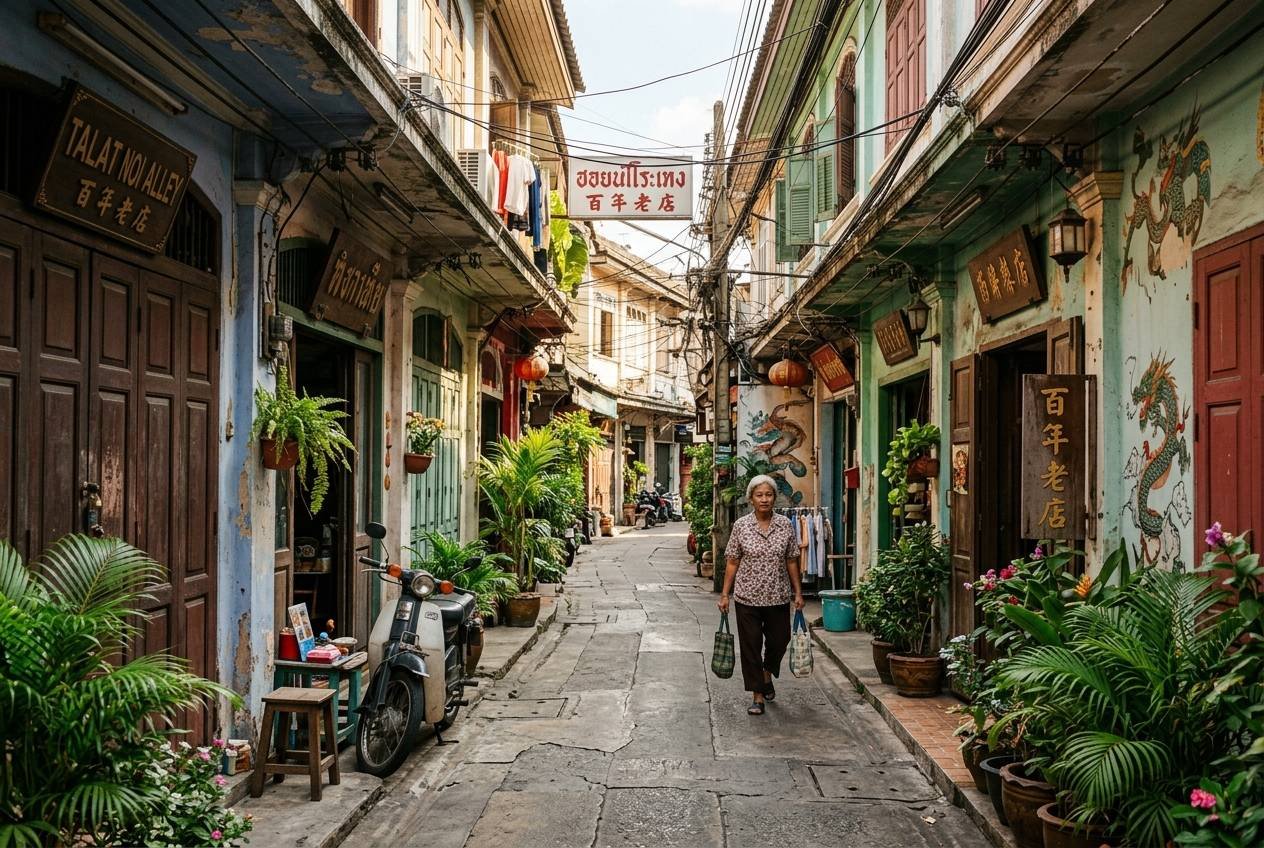
Bangkok is a city of contrasts, where glittering skyscrapers rise above historic shophouses, traditional temples stand beside contemporary cafés, and busy commercial streets lead into narrow alleyways filled with unexpected discoveries. Beyond the famous attractions and crowded shopping districts, the Thai capital reveals another side of its personality through its atmospheric lanes, locally known as soi and trok.
These smaller streets offer an intimate look at Bangkok's everyday life. You might discover colorful street art on a weathered wall, a traditional Chinese shrine tucked between family businesses, a century-old wooden house, or a tiny coffee shop hidden inside a restored shophouse.
From the historic lanes of Chinatown to the creative streets of Talat Noi and the peaceful corners of the Old City, here are ten atmospheric alleyways and narrow-street areas worth discovering in Bangkok.
1. Talat Noi's Hidden Alleyways: A Journey into Old Bangkok
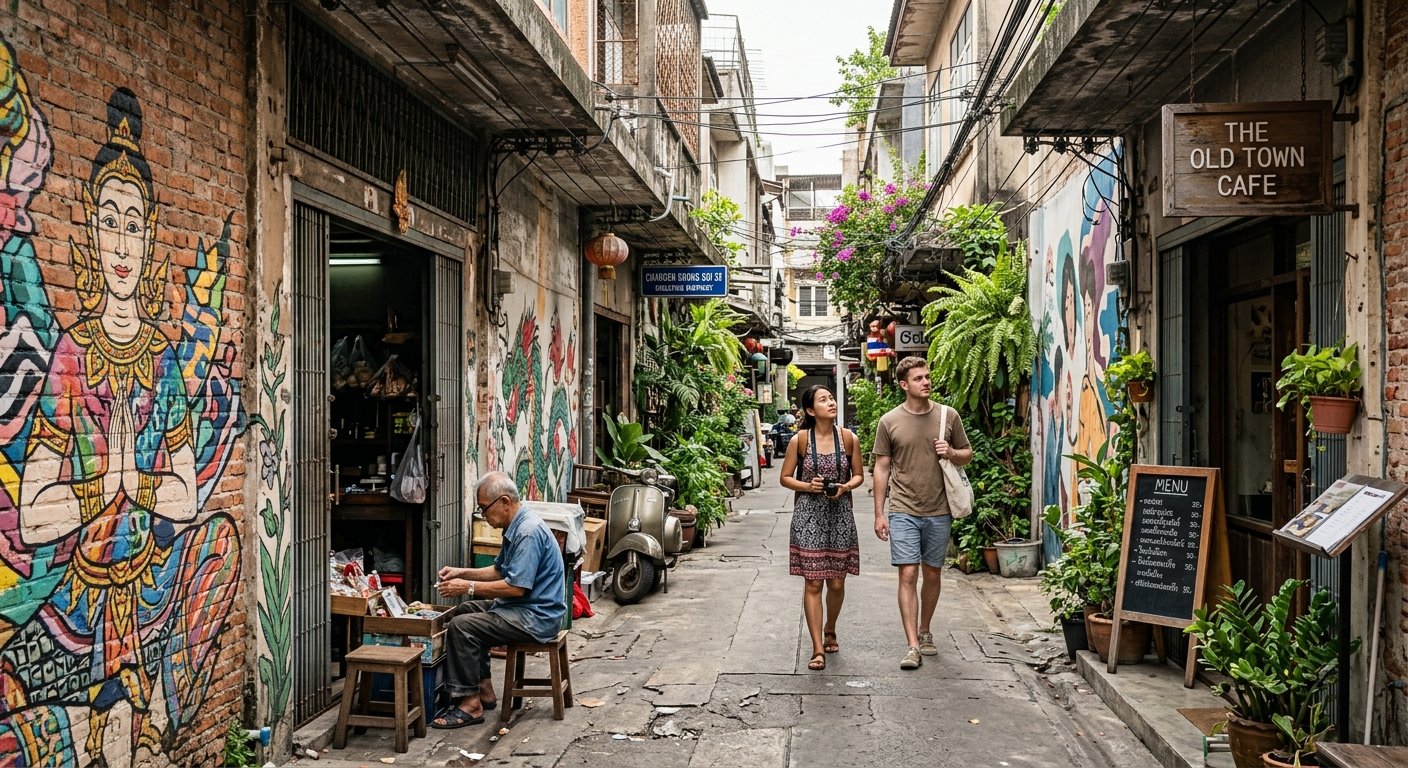
Located just south of Chinatown along the Chao Phraya River, Talat Noi is one of Bangkok's most characterful historic neighborhoods. Its narrow alleyways wind between aging shophouses, small Chinese shrines, family-run businesses, and workshops specializing in automotive parts and machinery.
Walking through Talat Noi feels like entering a different era of Bangkok. Weathered walls reveal layers of history, old wooden doors open onto traditional courtyards, and colorful murals bring unexpected artistic energy to otherwise modest streets. The neighborhood's charm comes from the way its heritage remains part of everyday life rather than existing solely as a tourist attraction.
Explore the smaller lanes branching off Charoen Krung Road and Soi Wanit 2. Along the way, you may encounter vintage objects, unusual architectural details, street art, and independent cafés occupying renovated historic buildings.
Talat Noi is particularly appealing to photographers because every turn offers a different combination of textures, colors, and light. Remember that it is also a living community, so respect private property and ask permission before photographing residents.
Best for: Street photography, heritage architecture, local culture, and slow exploration.
Travel tip: Visit in the morning or late afternoon when temperatures are generally more comfortable. Allow at least two hours to explore without rushing.
2. Soi Wanit 2: Chinatown's Atmospheric Commercial Lanes
Soi Wanit 2, associated with the traditional trading streets of Talat Noi and the wider Chinatown area, offers a fascinating glimpse into Bangkok's long history as a commercial crossroads.
Unlike the broad, brightly illuminated roads that attract most visitors to Chinatown, the smaller lanes reveal a more intimate urban landscape. Narrow passages connect old shophouses, traditional stores, warehouses, and family businesses that reflect generations of trade and migration.
The atmosphere is distinctive because historic buildings and modern working life exist side by side. Metal shutters, faded signs, stacked merchandise, and timeworn façades create a visual record of how the neighborhood has evolved while retaining its commercial identity.
Look for decorative Chinese architectural elements, small shrines near shop entrances, and glimpses into courtyards that reveal how residential and commercial spaces overlap in older Bangkok neighborhoods.
Best for: Traditional commerce, urban history, and authentic Chinatown atmosphere.
Travel tip: Wear comfortable shoes and remain aware of motorbikes, deliveries, and narrow pedestrian spaces. Early mornings are often ideal for observing businesses as they begin their day.
3. Song Wat Road's Side Streets: Heritage Meets Contemporary Bangkok
Song Wat Road has become one of Bangkok's most interesting destinations for travelers seeking a combination of historical atmosphere and contemporary creativity. Running alongside the Chao Phraya River near Chinatown, this historic commercial street is lined with old warehouses, traditional shophouses, and buildings connected to the city's trading past.
While Song Wat itself is a road rather than a single alleyway, its side streets and smaller passages offer some of the area's most rewarding discoveries.
Former trading premises now sit alongside specialty coffee shops, creative businesses, galleries, and independent restaurants. Some buildings retain their original character, while others have been carefully adapted for modern use. The result is a neighborhood where Bangkok's commercial heritage meets a younger creative culture.
Explore the smaller streets branching off the main road, looking for interesting façades, artistic details, and quiet corners away from the busiest sections. The contrast between old architecture and contemporary design makes the district especially attractive to photographers and architecture enthusiasts.
Best for: Historic architecture, independent cafés, creative spaces, and photography.
Travel tip: Combine Song Wat with a walk through Talat Noi and Chinatown for a half-day exploration of Bangkok's historic riverside districts.
4. Charoen Krung Soi 32: A Street-Art Alley Full of Character
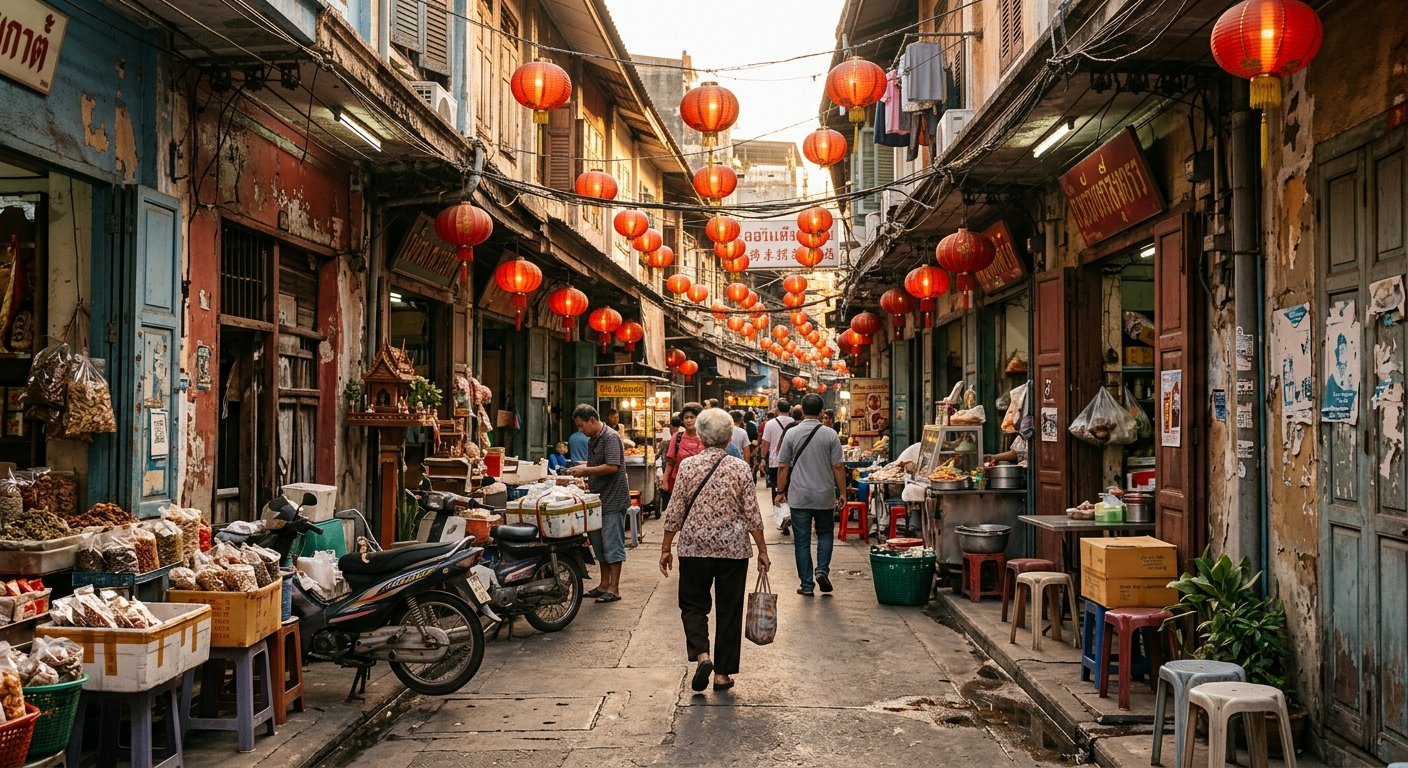
Charoen Krung Road is widely recognized as one of Bangkok's historic roads, but some of its most interesting contemporary details are found in the smaller lanes branching away from it.
Charoen Krung Soi 32 is a particularly appealing stop for visitors interested in urban art and alternative city photography. Its alleyway atmosphere combines everyday Bangkok street life with murals, graffiti, and creative visual details that stand out against the surrounding buildings.
The experience is different from visiting a conventional gallery. Art appears within an active urban environment, alongside local businesses, street vendors, and the textures of older architecture. Some walls feature striking painted images, while other corners reveal smaller artistic details that are easy to miss when walking too quickly.
The surrounding Creative District adds another dimension to the visit. Nearby galleries, renovated warehouses, and independent creative spaces demonstrate how Bangkok's historic commercial areas continue to evolve.
Because street art changes over time, visitors should expect the appearance of individual walls and installations to vary.
Best for: Street-art enthusiasts, creative travelers, and urban photography.
Travel tip: Bring a camera or smartphone, but remember that the alley remains part of a working neighborhood. Keep entrances clear and avoid obstructing businesses while taking photographs.
5. Sampheng's Narrow Market Lanes: A Taste of Traditional Chinatown
For an energetic and distinctly local experience, explore the narrow market lanes of Sampheng, the historic commercial area within Bangkok's Chinatown.
Sampheng is famous for its dense concentration of wholesale shops and small retailers selling accessories, textiles, household goods, toys, and countless other products. Its compact passages create a lively atmosphere in which vendors, shoppers, delivery workers, and visitors share limited space.
Although it may not offer the quiet atmosphere of a residential alley, Sampheng has a distinctive charm of its own. The closely packed storefronts, hanging merchandise, colorful displays, and constant movement reveal Bangkok's enduring reputation as a regional trading center.
Walking through the market is an experience for all the senses. Shopkeepers call out to customers, carts transport goods through narrow passages, and nearby food stalls provide opportunities to sample quick Thai-Chinese snacks.
The area is especially interesting for travelers who enjoy observing commerce and discovering places where local shopping traditions continue to thrive.
Best for: Market exploration, shopping, street food, and cultural observation.
Travel tip: Visit earlier in the day for a closer look at market activity. The passages can become crowded, so carry only what you need and remain mindful of people moving goods through the lanes.
6. Rong Kuak Shrine Alley: Chinese-Thai Heritage in a Quiet Corner
Hidden within the historic Talat Noi neighborhood, the lanes around Rong Kuak Shrine offer an opportunity to discover the cultural and spiritual traditions that have shaped Bangkok's Chinese-Thai communities.
This part of the city preserves an intimate atmosphere, with narrow passages, traditional buildings, small businesses, and places of worship reflecting generations of community life.
The shrine and its surroundings provide a reminder that Bangkok's alleyways are not simply shortcuts between major roads. Many are important cultural spaces where residents maintain religious practices, preserve family traditions, and continue relationships established long before the modern city developed.
Visitors exploring the area may encounter incense offerings, traditional decorative details, and small courtyards that contrast with the busy streets nearby. The experience is particularly rewarding for travelers interested in local history and the influence of Chinese migration on Bangkok's development.
The surrounding lanes also connect naturally with Talat Noi's street-art areas and riverside paths, making it easy to combine cultural exploration with photography and a leisurely neighborhood walk.
Best for: Cultural heritage, traditional architecture, and quieter neighborhood exploration.
Travel tip: Visit respectfully and observe local customs. Dress appropriately when entering a shrine and ask before photographing people engaged in religious activities.
7. Ong Ang Canal's Pedestrian Passages: Art Along the Water
Not every atmospheric Bangkok alleyway is a traditional lane between buildings. The pedestrian passages beside Ong Ang Canal offer a different experience, combining urban exploration, water views, and street art within the historic center.
The canal forms part of Bangkok's historic waterway network and has been transformed in sections into a more welcoming public space. Walking along its banks reveals bridges, murals, neighborhood buildings, and glimpses of everyday activity beside the water.
The atmosphere changes throughout the day. During quieter periods, the canal provides a pleasant setting for photography and a break from the traffic-heavy streets. When walking-street activities or market events take place, the area can become livelier, with food vendors, visitors, and occasional entertainment adding to the experience.
The canal is conveniently positioned for combining a walk through Chinatown with a visit to the nearby Old City and Little India. These neighboring districts offer a broader view of Bangkok's cultural diversity, from Chinese-Thai commercial traditions to historic temples and Indian-influenced markets.
Although Ong Ang Canal is more of a pedestrian waterfront than a hidden alley, its connecting passages and surrounding lanes make it a worthwhile addition to a guide focused on atmospheric urban exploration.
Best for: Canal-side walks, murals, casual photography, and evening outings.
Travel tip: Check current pedestrian-market arrangements before planning an evening visit, as activities and vendor schedules can vary.
8. Banglamphu's Traditional Lanes: A Glimpse of Old-Town Bangkok
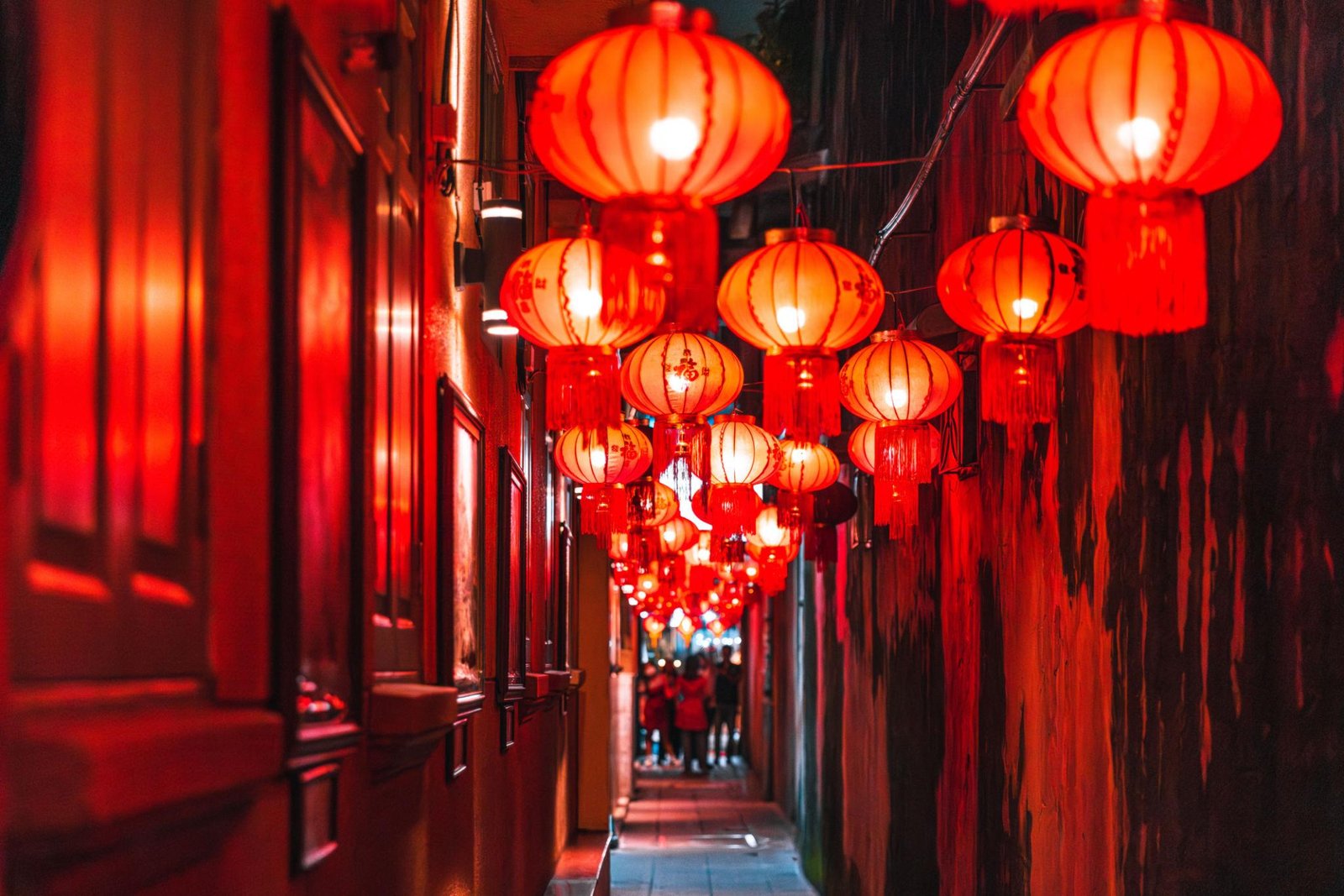
Banglamphu is often associated with the international traveler scene around Khao San Road, but the surrounding neighborhood contains quieter lanes that reveal another side of Bangkok's historic center.
Away from the busiest backpacker streets, narrow passages connect traditional shophouses, small eateries, local markets, religious landmarks, and residential communities. The atmosphere feels more intimate, especially where older buildings and neighborhood businesses remain part of everyday life.
Exploring Banglamphu on foot allows visitors to discover details that can be overlooked during a conventional sightseeing tour. A small food stall may serve a familiar local breakfast, an old building may reveal traditional architectural features, and a quiet lane may lead toward a canal or temple courtyard.
The area also offers an interesting contrast between Bangkok's historic identity and its international tourism culture. Just a short walk from busy nightlife streets, visitors can find places where the rhythm of daily life is slower and more community-focused.
Banglamphu works particularly well for travelers who want to explore the Old City without limiting themselves to major monuments.
Best for: Old-town atmosphere, local food, historic buildings, and cultural walks.
Travel tip: Explore during daylight hours to appreciate the architecture and neighborhood details. If visiting nearby temples, dress appropriately and follow local etiquette.
9. The Small Lanes Around Charoen Krung Soi 30: Art, Architecture, and Urban Texture
The area around Charoen Krung Soi 30 offers another rewarding opportunity to explore Bangkok's historic streets and evolving creative culture.
Situated within the broader riverside district, these smaller lanes reveal a mixture of traditional commercial buildings, weathered façades, contemporary artwork, and working urban spaces. The result is an environment that feels less polished than a purpose-built attraction and more representative of Bangkok's layered identity.
For photographers, the appeal lies in contrasts: old brickwork beside modern installations, faded signage beside colorful murals, and narrow passages opening unexpectedly onto larger streets. The visual character changes from one corner to another, making slow exploration more rewarding than following a strict checklist.
Nearby creative spaces and converted warehouses also demonstrate how older commercial buildings can find new uses without completely losing their original character. Depending on the day, visitors may encounter exhibitions, cafés, workshops, or other independent businesses.
As with many of Bangkok's creative neighborhoods, the best discoveries are often incidental. A short detour may lead to an interesting doorway, a small artwork, or a quiet courtyard that never appears in a conventional tourist itinerary.
Best for: Architecture lovers, street photography, and Bangkok's contemporary creative scene.
Travel tip: Combine this area with Charoen Krung Soi 32 and nearby creative venues. Check individual venue schedules if you want to visit galleries or exhibitions.
10. The Quiet Lanes of Rattanakosin: Traditional Architecture and Hidden Corners
Rattanakosin, Bangkok's historic Old City, is best known for its royal landmarks, temples, and monumental architecture. Yet beyond the major roads, its smaller streets and narrow lanes offer a more intimate way to experience the area's heritage.
These passages connect historic buildings, traditional shops, neighborhood eateries, and religious sites. Some are remarkably quiet compared with the crowds surrounding Bangkok's best-known attractions, making them appealing for visitors who prefer exploring on foot.
The architectural details are part of the attraction. Look for traditional wooden doors, decorative windows, old shop signs, and buildings that reflect different periods of Bangkok's development. The proximity of temples and historic landmarks also makes it possible to combine alleyway exploration with a broader cultural itinerary.
Rattanakosin's lanes are especially rewarding when approached without rushing. Rather than moving directly from one famous monument to another, take time to explore the connecting streets and appreciate the relationship between Bangkok's grand public landmarks and the neighborhoods surrounding them.
Because some passages lead into residential areas or private properties, visitors should remain on public routes and respect local residents.
Best for: Historic architecture, cultural walks, temples, and quieter urban photography.
Travel tip: Plan your walk around nearby landmarks and check their current visiting arrangements. Morning is often a comfortable time to explore before the midday heat becomes intense.
How to Explore Bangkok's Alleyways Like a Local
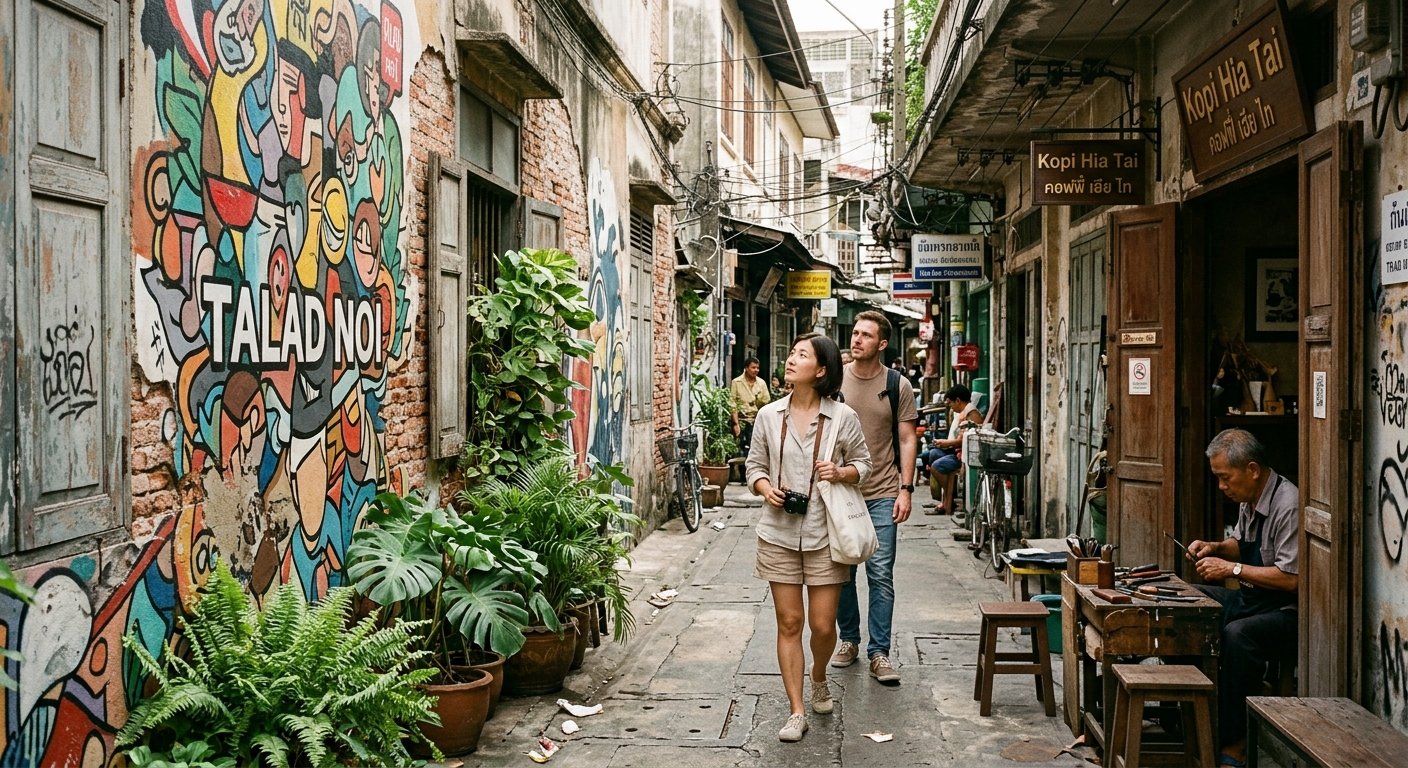
Choose the Right Time
Early mornings are ideal for observing neighborhood routines, traditional markets, and businesses preparing for the day. Late afternoons can provide softer light for photography, although some smaller shops may close earlier than expected.
Bangkok can be extremely hot and humid, so take breaks, carry drinking water, and avoid scheduling too much walking during the hottest part of the day.
Wear Comfortable Shoes
Many alleyways have uneven paving, narrow sidewalks, and occasional obstacles. Comfortable footwear will help you explore more easily, especially when combining several neighborhoods in one outing.
Respect Local Communities
Bangkok's alleyways are often residential streets and active workplaces rather than dedicated tourist attractions. Avoid blocking doorways, entering private courtyards without permission, or photographing people at close range without asking.
At temples and shrines, dress respectfully and follow any instructions provided by local caretakers.
Bring Cash for Small Purchases
Traditional market stalls and small neighborhood vendors may prefer cash. Carrying smaller denominations can make it easier to buy snacks, drinks, or inexpensive souvenirs.
Explore Without Rushing
The best discoveries are not always the most famous ones. Look for interesting architectural details, local food stalls, small shrines, independent cafés, and unexpected views. Allow time for spontaneous detours while keeping an eye on your route.
Suggested Walking Route: Discover Bangkok's Historic Alleyways in One Day
Travelers who want to explore several of these areas can organize a flexible walking itinerary through Chinatown and Bangkok's riverside heritage district.
Morning: Chinatown and Sampheng
Begin around MRT Wat Mangkon and explore Chinatown's smaller commercial lanes. Continue toward Sampheng to experience its busy market atmosphere before moving toward the riverside districts.
Late Morning: Song Wat Road
Walk toward Song Wat Road to admire its historic commercial architecture, creative spaces, and renovated shophouses. Stop for coffee or a light meal if a suitable venue is open.
Afternoon: Talat Noi and Rong Kuak Shrine
Continue toward Talat Noi, exploring its narrow lanes, street art, traditional workshops, and Chinese-Thai heritage sites. Allow time for a relaxed walk rather than attempting to visit every corner.
Late Afternoon: Charoen Krung's Creative Lanes
Finish around Charoen Krung Soi 30 and Soi 32, where street art and the surrounding creative district offer a different perspective on Bangkok's urban character.
If you prefer a shorter outing, focus on Song Wat and Talat Noi alone. Their proximity makes them a natural combination for a half-day walk, and both offer plenty of opportunities to stop, take photographs, and enjoy the atmosphere.
Why Bangkok's Alleyways Deserve a Place on Your Itinerary
Bangkok's most memorable experiences are not always found inside major attractions or along its busiest streets. Sometimes they emerge from a narrow passage between old buildings, a traditional shop that has served the same community for generations, or a mural hidden behind a working workshop.
The city's alleyways reveal how Bangkok continues to balance tradition and change. Historic trading districts remain active, Chinese-Thai cultural heritage lives on through neighborhood shrines, and former commercial buildings find new life as creative spaces.
For travelers, these streets provide a chance to see Bangkok at a more personal pace. They invite you to observe, discover, and appreciate the everyday details that make the city distinctive.
Whether you are interested in street photography, architecture, local food, cultural history, or simply wandering beyond the usual tourist route, Bangkok's atmospheric alleyways offer countless reasons to slow down and explore.
Add these ten alleyway areas to your Bangkok itinerary and discover a quieter, more intimate side of Thailand's vibrant capital.
Frequently Asked Questions
What are the best alleyways to explore in Bangkok?
Talat Noi, the traditional lanes around Soi Wanit 2, the side streets of Song Wat Road, Charoen Krung Soi 32, and the historic passages of Sampheng are excellent starting points. Each offers a different mix of heritage, street art, commerce, and local culture.
Are Bangkok's alleyways safe to explore?
Many popular neighborhood lanes are suitable for daytime walking, but conditions vary. Stay aware of passing motorbikes and delivery vehicles, keep valuables secure, and avoid entering isolated or private areas. At night, choose well-lit streets and plan your route carefully.
When is the best time to visit Bangkok's hidden alleyways?
Morning and late afternoon are generally comfortable times to explore. Morning visits are particularly useful for traditional markets and working neighborhoods, while softer afternoon light can be appealing for photography. Check individual businesses' opening hours before visiting.
Can I explore Bangkok's alleyways without a guide?
Yes. Areas such as Talat Noi, Song Wat, Chinatown, and the Charoen Krung Creative District can be explored independently. A map and comfortable walking shoes are helpful, and guided tours can provide additional context about local history and architecture.
Are Bangkok's alleyways good for photography?
Absolutely. Historic shophouses, colorful murals, Chinese shrines, traditional shopfronts, and riverside scenes create a wide variety of photographic opportunities. Always respect privacy and ask permission before photographing residents or workers at close range.
How much time should I allow for exploring Bangkok's alleyways?
Allow two to three hours for a focused neighborhood walk, such as Talat Noi, or around half a day for a route combining Chinatown, Song Wat, and Charoen Krung. Exploring multiple districts, including the Old City, may require a full day.
Are the alleyways free to visit?
Most public streets and lanes can be explored without an entrance fee. However, individual attractions, private historic properties, exhibitions, and certain venues may charge admission or require purchases. Check the arrangements for specific places before visiting.