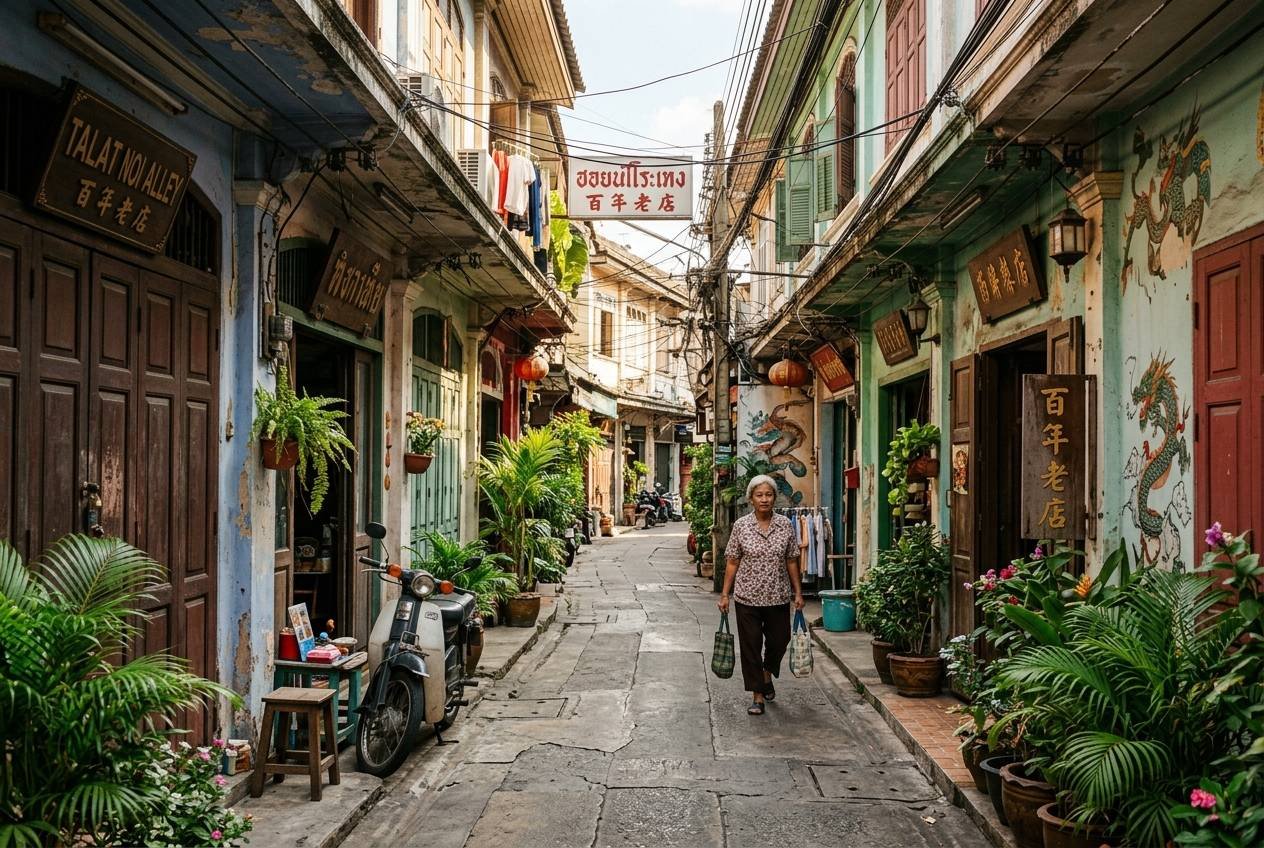
Bangkok is a city of contrasts, where glittering temples and bustling markets coexist with tranquil alleyways and centuries-old communities. While the Grand Palace and Wat Pho often steal the spotlight, the city is also home to lesser-known cultural enclaves that offer a deeper, more intimate glimpse into its rich heritage. Whether you're a curious traveler or a local seeking fresh perspectives, these hidden cultural corners invite you to experience Bangkok beyond the usual tourist trails.
1. Kudi Chin: A Crossroads of Cultures
Nestled along the Thonburi side of the Chao Phraya River, Kudi Chin is one of the historic neighborhoods where Portuguese, Chinese, and Thai influences converge. Wander through its narrow lanes to discover the Santa Cruz Church, a testament to the area's Catholic heritage, and sample the unique "khanom farang," a Portuguese-inspired Thai dessert. The community's commitment to preserving its multicultural identity makes it a living museum of Bangkok's diverse past.
2. Ban Bu Community: The Last of the Bronze Artisans
In the Siri Rat Subdistrict lies Ban Bu, Bangkok's last bastion of traditional bronze bowl crafting. This artisanal practice, dating back to the Ayutthaya period, involves alloying copper and tin to create polished alms bowls. Visiting Ban Bu offers a rare opportunity to witness a fading craft and engage with artisans dedicated to keeping this heritage alive.

3. Baan Silapin (Artist's House): A Canal-side Cultural Haven
Located along the Khlong Bang Luang canal, Baan Silapin is a restored wooden house that serves as an art gallery and performance space. Here, traditional Thai puppet shows are performed against the backdrop of tranquil waterways. The venue also hosts art workshops and exhibitions, fostering a creative community that bridges Bangkok's past and present.
4. Bang Krachao: Bangkok's Green Lung
Often referred to as the city's "green lung," Bang Krachao is an urban oasis of mangroves, orchards, and elevated walkways. Accessible by a short boat ride, this area offers a glimpse into traditional Thai village life. Cycling through its serene paths, visitors can explore local temples, floating markets, and community-run gardens.
5. Haroon Mosque: A Testament to Islamic Heritage
Tucked away in the riverside neighborhood of Haroon Village, the Haroon Mosque stands as Bangkok's oldest mosque. This historic site reflects the city's Islamic heritage and the multicultural fabric of its communities. Visitors can appreciate the mosque's architecture and the peaceful ambiance of its surroundings.
6. Museum of Floral Culture: Celebrating Thai Aesthetics
Dedicated to the art of floral arrangements, the Museum of Floral Culture offers insights into Thailand's botanical traditions. Set in a colonial-style house, the museum showcases intricate flower displays and hosts workshops on traditional garland making, highlighting the cultural significance of flora in Thai society.
7. Bangkokian Museum: A Glimpse into 20th-Century Life
The Bangkokian Museum, also known as the Bangkok Folk Museum, provides a window into the domestic life of a middle-class family in the early 20th century. Through preserved rooms and personal artifacts, visitors can explore the lifestyle and social norms of a bygone era, offering context to the city's rapid modernization.

8. Wat Pariwat: The David Beckham Temple
Wat Pariwat, colloquially known as the "David Beckham Temple," is renowned for its unconventional decorations. Among its traditional Buddhist motifs, one can find mosaics of superheroes and pop culture icons, reflecting a unique blend of reverence and modernity. This temple challenges traditional aesthetics, making it a fascinating study in contemporary religious art.
9. Warehouse 30: A Creative Hub in Charoen Krung
Situated in the Charoen Krung area, Warehouse 30 is a revitalized industrial space that now houses art galleries, design shops, and cafes. This creative complex embodies Bangkok's evolving art scene, offering a platform for local artists and designers to showcase their work in a historically rich setting.
10. Erawan Museum: Mythology Meets Architecture
Just outside Bangkok in Samut Prakan, the Erawan Museum is housed within a colossal three-headed elephant sculpture. Inside, the museum's three floors represent the underworld, earth, and heaven, adorned with intricate art and religious artifacts. The museum offers a spiritual journey through Thai cosmology and artistic expression.
Conclusion
Exploring these hidden cultural corners of Bangkok reveals the city's multifaceted identity, shaped by centuries of diverse influences and artistic endeavors. Each site offers a unique narrative, inviting visitors to delve deeper into the rich tapestry that defines Thailand's capital. By venturing beyond the well-trodden paths, one can uncover the authentic spirit of Bangkok, a city where tradition and innovation harmoniously coexist.